
Signs of Mold & the Remediation Process in Florida
Learn about signs of possible mold, moisture control, independent assessment, and the remediation process for Florida homes. Free consultations available.
WATER DAMAGEMOLD REMOVALMOLD COMPANY NEAR MEMOLD TESTING
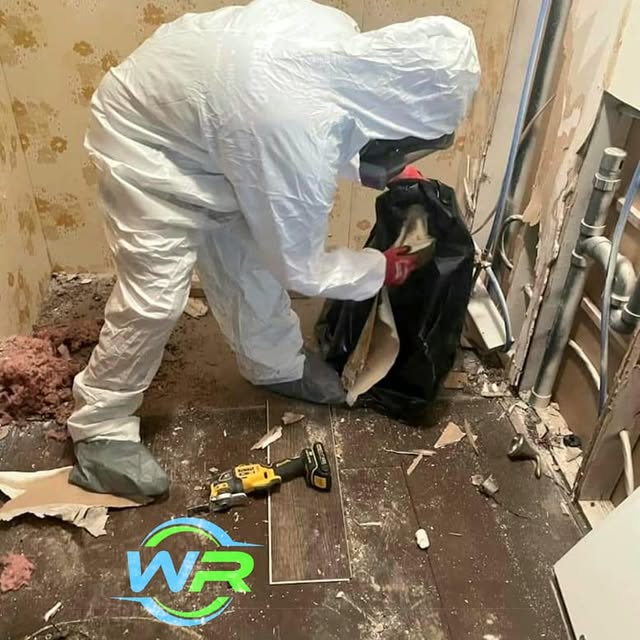
If you live in Volusia, Flagler, Seminole, or St. Johns County, mold isn’t just a possibility—it’s a common reality.
Florida humidity and water leaks can create conditions for mold growth. EPA recommends drying wet materials within 24–48 hours to help prevent growth; timing varies with the material and conditions.
Knowing when to call a professional mold remediation company can protect your home, your health, and your property value.
This guide explains:
How mold starts in Florida homes
Warning signs you should never ignore
Why professional remediation matters
What to expect during the cleanup process
How to prevent mold from coming back
Why Mold Is So Common in Volusia County Homes
Communities like Daytona Beach, Ormond Beach, Port Orange, and New Smyrna Beach experience:
High year-round humidity
Heavy summer rainstorms and hurricanes
Flooding and roof leaks
Older homes with ventilation issues
These conditions create the perfect environment for mold growth, especially in:
Attics
Bathrooms
Kitchens
Air conditioning systems
Behind drywall after water damage
Even a small, slow leak can lead to major contamination if left untreated.
7 Signs You May Have Hidden Mold
Many homeowners don’t realize mold is present until it becomes severe. Watch for:
1. Musty or damp odors
A persistent earthy smell is often the first warning sign.
2. Visible staining or discoloration
Black, green, or white spots on walls, ceilings, or baseboards.
3. Recent water damage
Leaks, flooding, or storm intrusion dramatically increase risk.
4. Peeling paint or warped drywall
Moisture trapped behind surfaces feeds mold growth.
5. Allergy-like symptoms indoors
Sneezing, coughing, headaches, or irritated eyes at home.
6. HVAC issues or mold around vents
Air systems can spread spores throughout the property.
7. High indoor humidity
Persistently high humidity can support mold growth, and damp surfaces may remain a problem even when room humidity is lower.
These signs do not prove mold is present or that it caused symptoms. Contact an independent licensed mold assessor for assessment and a healthcare professional for medical concerns.
Why Professional Mold Remediation Matters
Many homeowners try bleach or DIY cleaners. Unfortunately:
Bleach does not penetrate porous materials
Scrubbing can spread spores
Hidden mold remains untreated behind walls
Professional remediation ensures:
Proper containment to stop spread
HEPA air filtration
Safe removal of contaminated materials
Moisture detection with specialized equipment
Complete structural drying
Moisture control is essential. Repairs to plumbing, roofing, or HVAC systems should be completed by the appropriate contractor; remediation alone cannot guarantee that mold will never return.
The Professional Mold Remediation Process
At Wilson’s Remediation, the cleanup process follows strict industry standards:
1. Independent assessment and moisture evaluation
An independent licensed mold assessor identifies the scope and writes the protocol. Moisture meters and thermal imaging can help investigate damp areas; thermal imaging does not identify mold.
2. Containment setup
Containment and controlled airflow help limit the spread of contamination during work.
3. Air filtration
HEPA scrubbers remove airborne spores for safer indoor air.
4. Removal of contaminated materials
Drywall, insulation, or flooring may be safely removed if affected.
5. Deep cleaning & antimicrobial treatment
Affected materials are physically cleaned or removed as appropriate. Antimicrobials, when specified, are used according to their label and are not a substitute for removing contamination.
6. Structural drying
Drying equipment is selected for the conditions and protocol. Air movers should not be used in a way that spreads contamination.
7. Post-remediation verification
The independent licensed mold assessor evaluates the completed work against the project’s clearance criteria. Clearance is not a medical guarantee.
This step-by-step process is what separates true remediation from simple cleaning.
Health Risks Linked to Mold Exposure
Mold affects everyone differently, but common symptoms include:
Respiratory irritation
Sinus congestion
Skin irritation
Asthma flare-ups
Headaches and fatigue
Children, seniors, and those with weakened immune systems are especially vulnerable.
Removing mold quickly helps protect both health and home value.
How to Prevent Mold From Returning
After remediation, prevention is key:
Keep indoor humidity below 60%, ideally 30–50% when practical
Use dehumidifiers or maintain HVAC systems.
Fix leaks immediately
Even slow drips can restart growth.
Ensure proper ventilation
Bathrooms, kitchens, and attics must vent correctly.
Schedule routine inspections
Early detection prevents expensive repairs.
Why Homeowners Trust Wilson’s Remediation
Wilson’s Remediation proudly serves homeowners throughout Volusia County with:
Rapid response times
Honest, clear communication
Professional-grade drying and remediation equipment
Care focused on protecting your home and family
When mold appears, fast professional action makes all the difference.
Need Mold Remediation in Volusia County?
If you suspect mold in your home, don’t wait.
The sooner moisture and contamination are addressed, the easier—and more affordable—the solution.
Contact Wilson’s Remediation for a free consultation or second opinion: 386-316-2042. Florida Mold Remediator License MRSR3078. Assessment, mold testing, protocol preparation, and clearance are performed by an independent licensed mold assessor.
Further reading: EPA: Mold, Moisture and Your Home and CDC: Mold and Health.
Services
Expert remediation for mold, water, and fire.
OFFICE
Consultation form
Darren@wilsonsremediation.com
386-316-2042
© 2026 Wilson’s Remediation. All rights reserved.